
Loading...
Serving Wichita Falls, TX and surrounding areas. (940) 298-1855
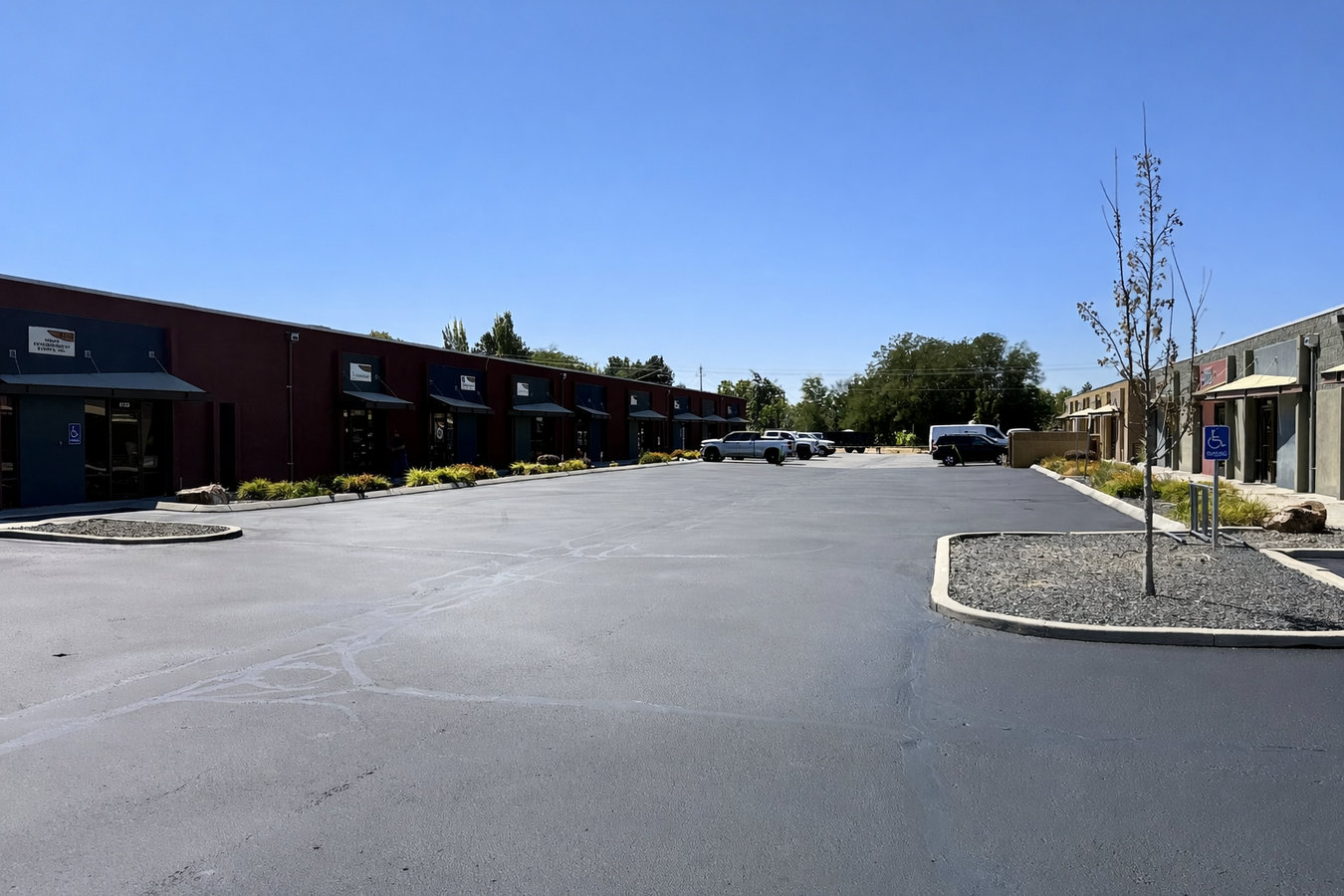
Wichita Falls Concrete Contractor serves Wichita, KS with parking lot construction, driveway replacement, slab foundations, and concrete flatwork - all designed for south-central Kansas clay soil and the city's freeze-thaw winters and spring storm season. We reply within one business day, pull all required permits, and give you a written price before any work begins.
Wichita commercial and residential properties with aging asphalt or gravel surfaces that are cracking, rutting, or draining poorly need a permanent solution built for south-central Kansas clay and the hard freeze cycles that come with Kansas winters. Our concrete parking lot building work starts with proper excavation and base compaction - the step that determines whether the surface holds up through Kansas weather or starts cracking within a few years.
Wichita's large stock of ranch-style homes built in the 1950s and 1960s in neighborhoods across the north, east, and south sides means a significant number of driveways in the city are now at or past the end of their useful life. Replacement on clay-heavy soil requires excavating the failed base first - not pouring over the same ground that caused the original surface to crack.
New construction and accessory structure work in Wichita requires slab foundations designed for south-central Kansas clay - deeper edge beams and adequate reinforcement to handle the expansion and contraction that Kansas wet springs and hot dry summers produce every year. Kansas also requires pre-pour inspections, and we handle that permit and inspection process as part of the job.
Wichita homeowners use their outdoor spaces for much of the year, and a patio that was not graded correctly from the start holds water and creates drainage problems near the foundation during spring rains. A properly sloped concrete patio on a prepared base stays stable through the clay soil movement and does not trap water against the house, which matters particularly in neighborhoods near the Arkansas River where water table levels fluctuate seasonally.
The older neighborhoods near College Hill, Riverside, and the streets east and west of downtown Wichita have sidewalks that have heaved and cracked from decades of clay soil movement and hard freeze cycles. Replacement walks in these areas need proper base preparation and control joint placement to stay flat through Kansas winters and the annual expansion-contraction cycle.
Ranch homes throughout Wichita's established neighborhoods frequently have front entry steps that have pulled away from the porch slab or crumbled at the edges after years of freeze-thaw stress. Replacement steps tied correctly to the adjacent structure and poured with adequate thickness hold through Kansas winters without pulling away or cracking along the surface from freeze expansion.
South-central Kansas sits on clay-heavy soil that behaves similarly to what you find across north Texas and southwest Oklahoma - it swells when it absorbs moisture and shrinks when it dries out. The wet-dry cycle in Wichita runs through extreme ends: spring rains that can be heavy and prolonged, followed by summers where temperatures regularly reach 93 to 100 degrees and the soil dries deeply before the next significant rain. That expansion and contraction applies direct upward and lateral pressure on every concrete surface in the city, and concrete poured without an adequate compacted base and internal reinforcement will show the results within a few years.
Wichita's housing stock spans a wide range of ages, but a significant share was built before 1980 - particularly in neighborhoods like Riverside, College Hill, and the areas east and west of downtown. Ranch-style homes in this era were built with large flat or low-slope concrete surfaces - driveways, patios, and sidewalks - that are now approaching or past the end of their useful life. These surfaces were often poured to the thinner standards of the 1950s and 1960s and without the base preparation depth that south-central Kansas clay actually demands.
Kansas winters add a dimension that distinguishes Wichita from the service areas to the south. The frost line in Wichita can reach 18 to 24 inches in a hard winter, and water that gets into even small cracks freezes and expands, opening those cracks wider each season. Hail is also a factor - Wichita sits in one of the most hail-prone regions in the country, and large hail events can damage concrete surfaces that were already weakened by freeze-thaw stress. Concrete built to the right thickness, with proper joint placement and a solid base, handles all of these stresses without failing prematurely.
We coordinate permit applications with the Metropolitan Area Building and Construction Department as a routine part of every project in Wichita. The city is the largest in Kansas at roughly 400,000 people, and the scale of its housing stock means we encounter a wide range of property ages and conditions - from 1920s brick bungalows in the College Hill neighborhood to 1980s and 1990s subdivisions in the Maize and Goddard corridors on the northwest side.
The older neighborhoods closest to the Arkansas River - Riverside, Delano, and the streets within a few miles of the Keeper of the Plains and Old Town - tend to have the city's oldest concrete work and the most complex base conditions. Newer construction on the city's western and northwestern edges has different soil preparation challenges but the same frost requirements. K-96 and I-135 are the main arteries we use to reach jobs across the metro area, and Wichita's grid layout makes site access straightforward in most neighborhoods.
We also serve Wichita Falls, TX to the south, where the clay soil and seasonal weather patterns closely parallel what we see in south-central Kansas, and Enid, OK, which sits between Wichita and our home base and has similar mid-century housing stock and soil conditions.
Call or use the contact form to describe your project. We reply to every estimate request within one business day - you will hear back with a scheduled site visit, not a general inquiry holding pattern.
We visit your Wichita property to look at site conditions, assess the soil, measure the area, and identify any existing concrete that needs to come out. You receive a written quote that covers base preparation, demolition, the pour, and cleanup - no added charges after the job starts.
We pull required city permits before work begins. The crew excavates and compacts the base, places forms and steel reinforcement, and pours the concrete - scheduling around the Kansas weather forecast to avoid pouring in extreme heat or ahead of a hard freeze.
After the concrete has cured - typically one week before vehicle traffic and longer for heavy loads - we complete a final walkthrough, confirm the city inspection is closed out, and explain basic maintenance for the first year.
We serve Wichita and the surrounding Kansas metro with permitted work, written pricing, and concrete built for south-central Kansas clay and winter conditions. We respond within one business day.
(940) 298-1855Wichita is the largest city in Kansas, with roughly 400,000 residents spread across a wide area in south-central Kansas along the Arkansas River. The city's identity is tied closely to aerospace manufacturing - it is known as the Air Capital of the World because of the concentration of aircraft manufacturing that has been based here since the early 20th century. That industrial base has made Wichita a city of long-term, skilled-trade homeowners with a strong investment culture around property maintenance and improvement.
The city's neighborhoods span a century of construction. The oldest homes - Craftsman bungalows and brick two-stories in College Hill, Riverside, and Delano - sit close to the Arkansas River and Old Town. Mid-century ranch homes dominate the established neighborhoods on the north, east, and south sides, and newer subdivision construction continues on the city's western edges in areas like Goddard, Maize, and the broader northwest corridor. Most Wichita homes have full basements, which is standard in Kansas partly for tornado safety and partly for building tradition.
About 57 percent of Wichita homes are owner-occupied, meaning most residents have a long-term stake in their properties. The city's aerospace employment base means a relatively stable, working-age homeowning population that reinvests in maintenance over time rather than deferring it. We also serve Enid, OK to the south, which shares Wichita's general soil profile and has a similar mid-century housing stock, and Wichita Falls, TX, our home base, where the clay soil dynamics and ranch-home housing stock are closely parallel to what we see across Wichita's established neighborhoods.
Durable concrete driveways designed to withstand heavy use and North Texas weather.
Learn moreCustom patio slabs that extend your living space and add lasting curb appeal.
Learn moreDecorative stamped finishes that replicate stone, brick, and wood at a fraction of the cost.
Learn moreSafe, level sidewalks installed to code for residential and commercial properties.
Learn moreSmooth, sealed garage floor slabs built to handle vehicles and heavy equipment.
Learn moreStained, polished, and textured concrete surfaces that combine beauty with durability.
Learn moreStructural retaining walls that control erosion and define outdoor spaces.
Learn moreInterior and exterior concrete floors finished to the exact spec you need.
Learn moreSlip-resistant pool deck surfaces that stay cool underfoot and look great.
Learn moreSolid concrete steps built for safety, longevity, and clean aesthetics.
Learn moreEngineered slab foundations that provide a stable base for any structure.
Learn moreComplete foundation installation from site prep through final pour and cure.
Learn moreHeavy-duty commercial parking lots graded and finished for maximum durability.
Learn morePrecisely placed footings that distribute load and prevent settling.
Learn moreFoundation lifting and leveling to correct settling and structural issues.
Learn morePrecision concrete cutting for modifications, repairs, and utility access.
Learn moreServing these cities and communities.
Wichita homeowners and property owners get written quotes, permitted work, and concrete built for Kansas clay and winter conditions - call or submit a request today and we will respond within one business day.