Retaining Walls & Concrete Masonry
A well-built retaining wall stops soil erosion, levels out sloped yards, and adds real structure to your property — we build them to hold for the long haul in Wichita Falls, TX.
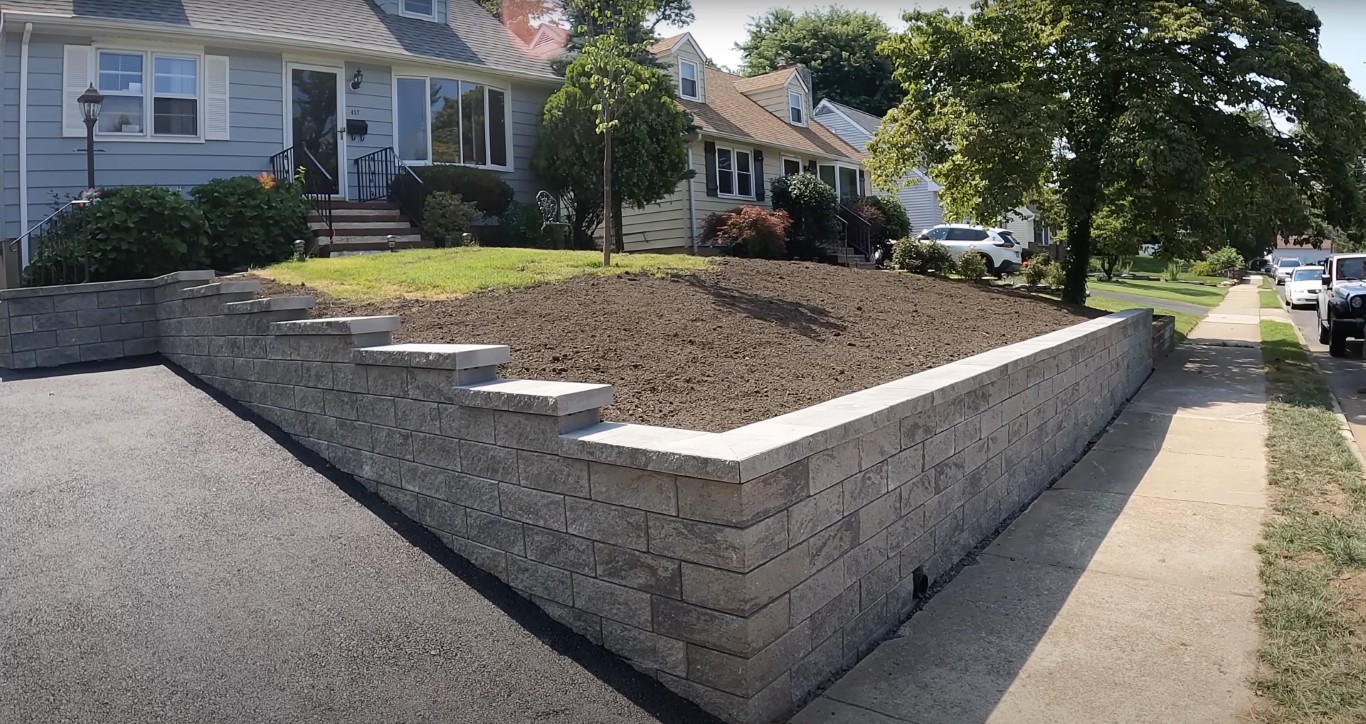
Walls That Do More Than Just Look Good
Retaining walls serve a real purpose. They hold back soil, prevent erosion, create usable flat space on a sloped lot, redirect water away from your foundation, and keep your landscaping where you put it. A wall that fails does not just look bad — it can damage your yard, your driveway, or even the structure of your home.
That is why proper design and construction matter so much. A retaining wall has to be built for the specific load it is holding back, with the right drainage behind it to prevent hydrostatic pressure from building up and pushing the wall forward.
We build retaining walls and concrete masonry structures for homeowners and commercial clients throughout Wichita Falls, TX. Whether you need a small decorative garden wall or a large structural retaining system, we size it correctly, build it with quality materials, and make sure the drainage is handled properly from the start.
Types of Retaining Walls We Build
The right wall type depends on how much soil it needs to hold, what your property looks like, and what aesthetic you are going for. Here are the most common options we work with.
Concrete Block Retaining Walls
Segmental retaining wall blocks interlock to create strong, flexible structures that handle earth pressure well. They come in a range of textures and colors and work great for both straight runs and curved layouts. These are one of the most popular options for residential retaining walls because of their combination of strength, appearance, and cost.
Poured Concrete Retaining Walls
For larger structural applications, a poured reinforced concrete wall provides maximum strength. These walls are engineered for significant lateral loads and are often the right solution for tall walls, heavy soil, or situations where a wall failure would cause major damage. We form and pour these walls with proper steel reinforcement and drainage provisions.
CMU Block (Concrete Masonry Unit) Walls
Standard concrete block walls, also called CMU walls, are a workhorse option for both retaining and freestanding applications. They can be filled with concrete and rebar for added strength, and can be finished with stucco, stone veneer, or paint to match your property's look. We build CMU walls for garden borders, privacy screens, and structural retaining applications.
Natural Stone and Decorative Masonry
If you want your wall to be a visual feature as much as a functional one, natural stone or decorative masonry may be the right fit. We work with real and manufactured stone to create walls that look like they belong to the landscape. These are popular around patios, garden beds, and entry features.
Why Drainage Is the Most Important Part of Any Retaining Wall
Most retaining wall failures are caused by water, not by poor construction of the wall itself. Here is what we do to make sure that does not happen to your wall.
- Gravel backfill placed directly behind the wall to allow water to move freely rather than build up
- Perforated drain pipe at the base of the wall to carry water away from the structure
- Weep holes in the wall face to allow any trapped water to escape
- Proper grading on top of the wall to direct surface runoff away rather than toward the wall
- Geotextile fabric between the soil and gravel backfill to prevent soil from migrating into the drainage layer
Skipping drainage provisions might save money on installation day, but it nearly always leads to a failing wall within a few years. We build drainage into every retaining wall we construct because we want your wall to still be standing and performing well a decade from now. For other structural concrete work, our team also handles concrete slab and foundation work throughout the area.
Ready to stop the erosion and level your yard?
Call for a free on-site estimate. We serve Wichita Falls and surrounding North Texas communities.
Planning Your Retaining Wall Project
Before we build anything, we want to understand what you are working with. That means walking the site, looking at the slope and soil conditions, understanding what is on top of and below the area the wall will hold, and talking through what you want the finished result to look like.
Walls under 4 feet tall typically do not require engineering plans or permits, but taller walls often do. We will let you know upfront whether your project falls into a category that needs a permit and what the local requirements are for Wichita Falls and the surrounding area.
We also want to make sure the wall ties into the rest of your landscaping in a way that makes sense. If you are planning a patio behind the wall, steps leading up to the retained area, or garden planters along the top, it is much easier to incorporate those into the original project than to add them on later.
Want to see some finish options that would work alongside a new retaining wall? Check out our concrete patio installation page or browse our full service list on the Wichita Falls Concrete Contractor homepage.
Frequently Asked Questions
How tall can a retaining wall be without a permit in Wichita Falls?
How long does a concrete block retaining wall last?
My existing retaining wall is leaning. Does it need to be replaced?
Have more questions about retaining walls or masonry? Visit our homepage to see everything we offer, or give us a call for a free on-site consultation.
Call (940) 298-1855